



WHY DOES WATER IN A CHILLER SYSTEM NEED TO BE TREATED?
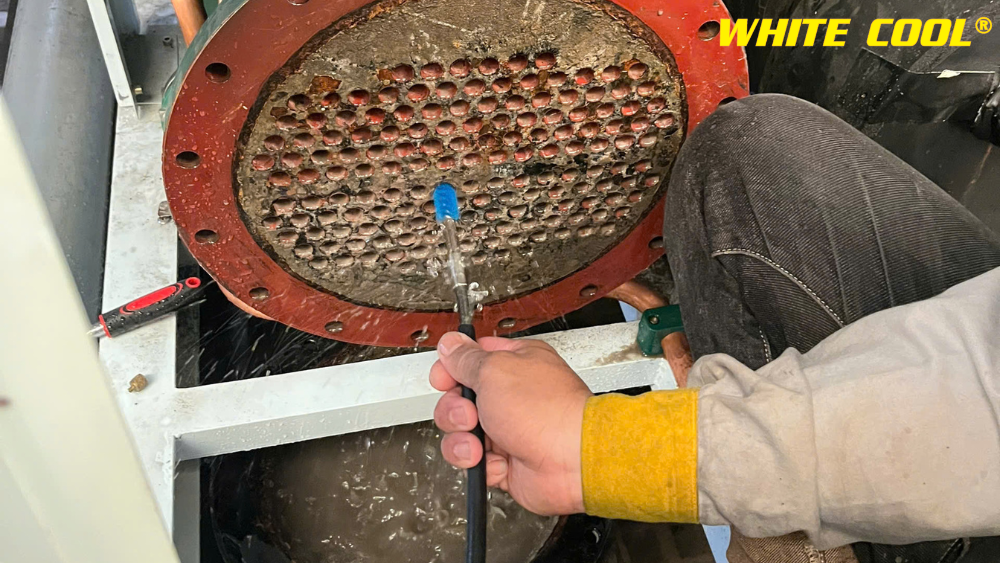
Water used in Chiller systems naturally contains dissolved minerals, oxygen, metals, and other impurities. During operation—especially in water-cooled systems—these substances can form scale on heat transfer surfaces or cause corrosion of metallic components.
Even a thin layer of scale can significantly reduce heat transfer efficiency, forcing the compressor to operate longer and consume more electricity. At the same time, continuous corrosion can shorten the lifespan of piping, valves, pumps, and heat exchangers, resulting in repair or replacement costs that far exceed the expense of routine water treatment.
SIGNS THAT INDICATE YOUR CHILLER SYSTEM NEEDS WATER TREATMENT
During operation, several warning signs may indicate that water quality is deteriorating. Businesses may notice that cooling takes longer than usual, chilled water temperatures fail to reach the desired level, or electricity consumption increases even though the cooling load remains unchanged.
Other indicators include abnormal pressure drops across heat exchangers, reduced water flow, visible scale inside piping, or cloudy water. For water-cooled systems equipped with cooling towers, algae growth and microbial contamination should also be addressed promptly, as they can negatively affect both system efficiency and operational safety.
Identifying and resolving these issues early helps minimize severe equipment damage, reduce downtime, and maintain consistent cooling performance.
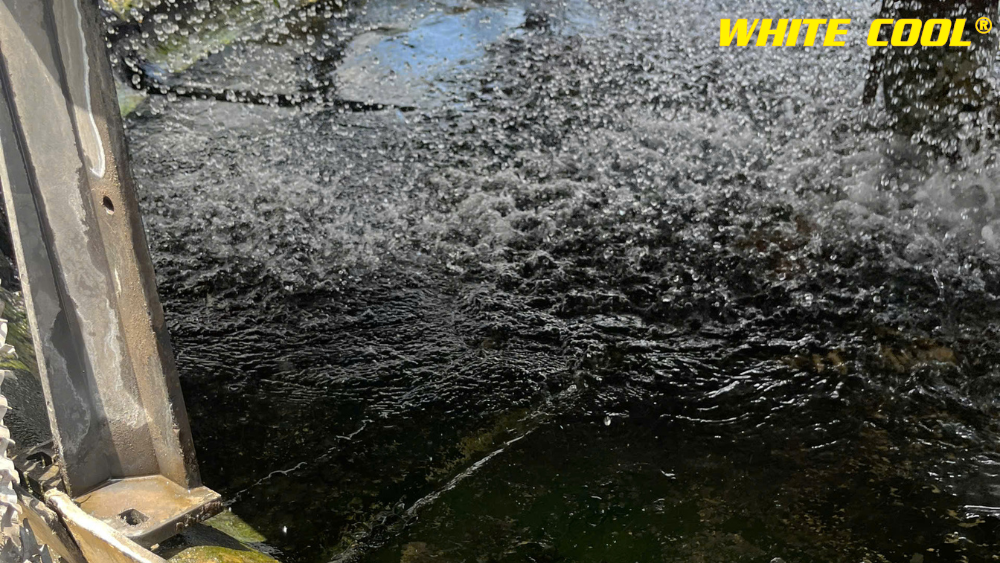
EVEN NEW CHILLER SYSTEMS REQUIRE WATER TREATMENT
Many companies assume that only older systems require water treatment. However, newly installed Chiller systems should also undergo cleaning and water treatment before being put into operation.
During piping installation, construction debris, oil residues, metal shavings, welding slag, and other contaminants may remain inside the system. If not removed, these particles can circulate with the water and damage pumps, control valves, and heat exchangers.
Treating the water from the very beginning helps establish optimal operating conditions, reduces the risk of blockage, and extends the service life of the entire cooling system.
REGULAR WATER TREATMENT HELPS REDUCE OPERATING COSTS
Rather than waiting until problems occur, many manufacturers now adopt scheduled water treatment programs. This preventive approach helps maintain stable water quality, minimize scale formation, and reduce the risk of corrosion.
When water quality is properly controlled, heat transfer efficiency remains high, allowing compressors and pumps to operate under lighter loads. This results in lower electricity consumption, longer equipment life, fewer unexpected maintenance expenses, and reduced production interruptions.
For facilities operating continuously around the clock—such as electronics, food processing, plastics, pharmaceuticals, and chemical manufacturing—regular water treatment has become an essential part of preventive maintenance strategies.
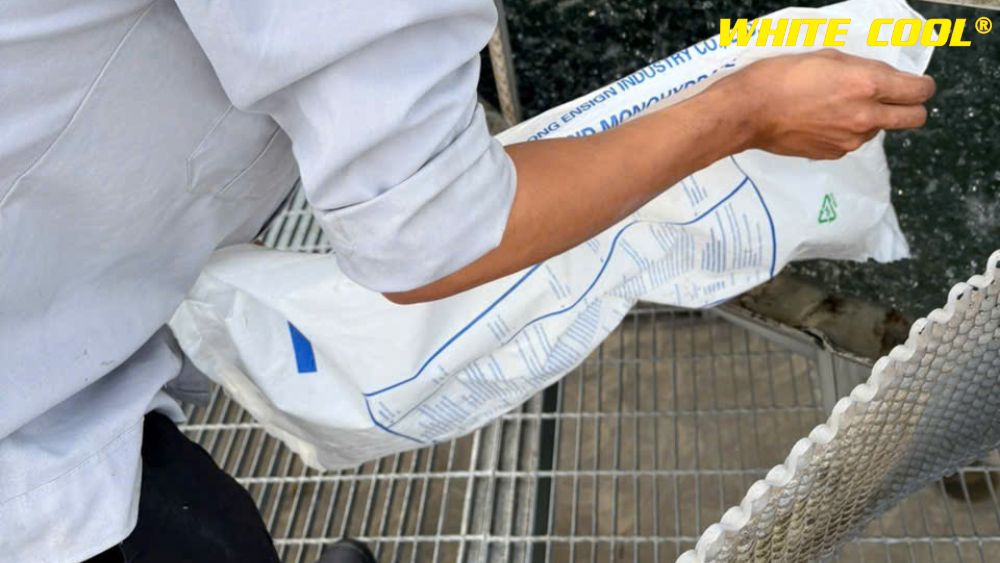
CHOOSING THE RIGHT WATER TREATMENT SOLUTION FOR EACH SYSTEM
There is no universal water treatment method suitable for every Chiller installation. The most appropriate solution depends on the quality of the incoming water supply, the Chiller type, heat exchanger materials, system capacity, and actual operating conditions.
By analyzing water quality parameters such as hardness, pH, electrical conductivity, and impurity levels, engineers can recommend the most suitable treatment method. Combined with routine maintenance and periodic inspections, proper water treatment ensures optimal cooling performance while reducing long-term operating costs.
WHITE COOL – YOUR PARTNER IN MAINTAINING HIGH-PERFORMANCE CHILLER SYSTEMS
White Cool provides more than industrial Chiller equipment—we help customers maximize the performance of their entire cooling system. Our engineering team offers water quality assessments, recommends appropriate water treatment solutions, and develops preventive maintenance plans to ensure reliable and efficient system operation.
In addition to designing and manufacturing custom Chiller systems, White Cool supports customers with system commissioning, routine inspections, and troubleshooting heat transfer performance. Our goal is to help businesses reduce energy consumption, extend equipment life, minimize downtime, and improve long-term operational efficiency.
If your company operates an industrial Chiller system or requires professional advice on water treatment solutions, contact White Cool. Our experienced engineers are ready to evaluate your system and recommend the most effective solution based on your specific operating conditions.
CONCLUSION
Water quality has a direct impact on the efficiency, reliability, and lifespan of every Chiller system. Treating water at the right time not only prevents scale buildup, corrosion, and blockages but also improves energy efficiency, reduces maintenance costs, and enhances production performance.
Instead of waiting for system failures to occur, businesses should implement regular water quality monitoring and preventive treatment programs from the beginning. Although it represents a relatively small investment, proper water treatment delivers substantial long-term value by protecting cooling equipment and minimizing total operating costs throughout the system's lifecycle.
With extensive experience in designing, manufacturing, and maintaining industrial Chiller systems, White Cool is committed to helping businesses build reliable, energy-efficient, and sustainable cooling solutions for years to come.