



THE ROLE OF COMPRESSOR OIL IN A CHILLER SYSTEM
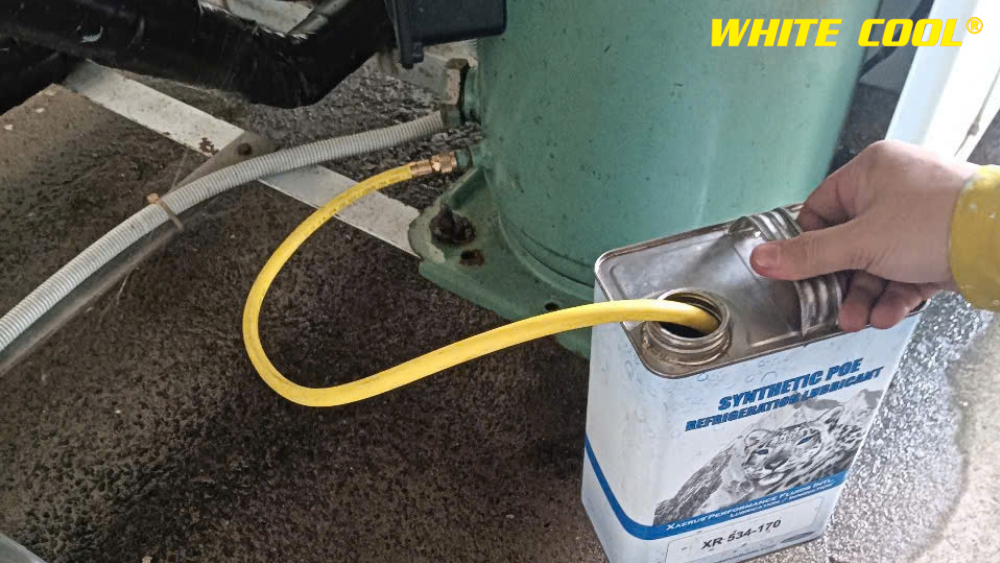
Compressor oil does much more than simply lubricate moving components. It also plays an integral role in the operation of the entire Chiller system. In screw compressors, the oil seals the clearances between the rotors, absorbs the heat generated during compression, and helps reduce operating noise.
In addition, compressor oil carries away tiny metal particles and contaminants generated during operation, keeping internal components clean. As the oil degrades, its lubricating and cooling capabilities decline, causing the compressor to operate under harsher conditions and increasing the likelihood of mechanical failures.
SIGNS THAT IT IS TIME TO CHANGE COMPRESSOR OIL
Businesses should not rely solely on operating hours to determine when to replace compressor oil. The actual condition of the oil is often a more reliable indicator.
If the oil becomes dark in color, contains sludge or debris, develops a burnt odor, or shows abnormal viscosity changes, these are clear signs that the oil has oxidized and no longer provides adequate lubrication. Likewise, unusually high compressor discharge temperatures, unstable oil pressure, or increased operating noise may also indicate deteriorated oil quality.
Regular oil inspections help identify these issues early before they affect compressor efficiency and equipment lifespan.
OIL CHANGE INTERVALS DEPEND ON OPERATING CONDITIONS
There is no universal oil replacement interval that applies to every Chiller system. The appropriate maintenance schedule depends on several factors, including compressor type, lubricant specification, refrigerant type, environmental conditions, and operating intensity.
Compressor manufacturers typically provide recommended oil replacement intervals based on operating hours or elapsed time in their technical documentation. However, facilities operating continuously 24/7 or working in high-temperature and dusty environments may experience faster oil degradation and require more frequent oil changes than under standard operating conditions.
For this reason, businesses should combine manufacturer recommendations with actual oil condition monitoring to establish an effective maintenance schedule.
WHAT HAPPENS IF COMPRESSOR OIL IS NOT CHANGED ON TIME?
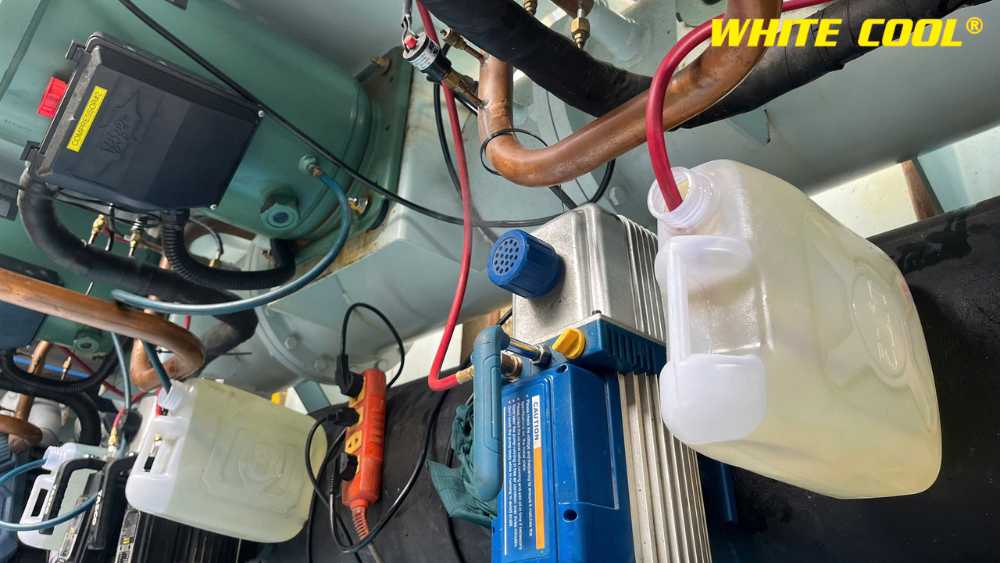
When degraded compressor oil continues to be used, its lubricating performance decreases significantly. Increased friction between moving parts raises operating temperatures and accelerates component wear.
In severe cases, moisture or contaminants in the oil may damage bearings, rotors, rolling elements, and other critical compressor components. Reduced compression efficiency also forces the system to consume more electricity to produce the same cooling capacity.
Compared with the cost of repairing or replacing a compressor, routine oil changes represent a relatively small investment that helps protect the entire Chiller system.
OIL ANALYSIS HELPS ASSESS COMPRESSOR CONDITION
For large-capacity or continuously operating Chiller systems, many companies now perform oil analysis instead of relying solely on scheduled oil replacement intervals.
By analyzing viscosity, acid number, moisture content, metal particle concentration, and other physical and chemical properties, engineers can accurately evaluate both oil condition and the internal wear status of the compressor.
This predictive maintenance approach allows businesses to plan maintenance based on the actual condition of the equipment, reducing unexpected downtime while optimizing long-term operating costs.
COMPREHENSIVE MAINTENANCE EXTENDS THE LIFE OF BOTH OIL AND COMPRESSOR
Changing compressor oil delivers the greatest benefits when combined with a comprehensive Chiller maintenance program.
Replacing the oil filter, refrigerant filter, inspecting the cooling system, monitoring operating pressure and temperature, cleaning heat exchangers, and maintaining proper water quality all contribute to optimal compressor operating conditions.
When the entire Chiller system operates according to its original design parameters, the oil remains in good condition longer, compressor performance stays stable, and businesses can significantly reduce future repair expenses.
WHITE COOL – YOUR TRUSTED PARTNER FOR PROTECTING CHILLER COMPRESSORS
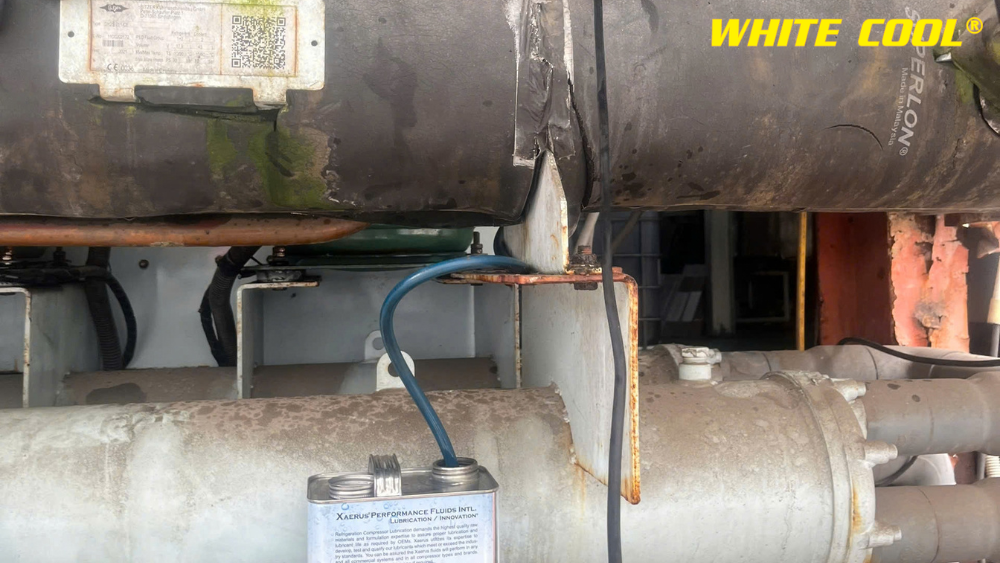
White Cool not only designs and manufactures customized industrial Chillers but also provides comprehensive maintenance solutions to maximize overall system performance.
Our engineering team supports customers by inspecting compressor conditions, evaluating lubricant quality, recommending appropriate oil replacement intervals, and developing maintenance programs tailored to each customer's operating conditions. Every solution is designed to ensure maximum compressor efficiency, reduced energy consumption, and extended equipment service life.
In addition to supplying industrial Chillers, White Cool also provides installation, commissioning, preventive maintenance, and comprehensive after-sales technical support. Our goal is to deliver reliable, energy-efficient cooling solutions that meet the continuous operating demands of various industries.
If your business needs compressor oil inspection, preventive maintenance planning, or professional consultation for optimizing your Chiller system, contact White Cool today. Our experienced engineers are ready to recommend the most suitable solution for your specific application.
CONCLUSION
Changing compressor oil at the right time is one of the most important factors in maintaining Chiller performance, reducing energy consumption, and extending equipment life. Rather than relying solely on operating hours, businesses should regularly monitor oil condition, review operating parameters, and implement preventive maintenance programs to identify potential issues before they develop into major failures.
Investing in regular oil replacement and compressor maintenance not only helps prevent costly breakdowns but also minimizes the Total Cost of Ownership (TCO) throughout the equipment's service life. With extensive experience in designing, manufacturing, and maintaining industrial Chiller systems, White Cool is committed to helping businesses build reliable, energy-efficient, and long-lasting cooling solutions for every production environment.