



WHY ARE ENVIRONMENTALLY FRIENDLY REFRIGERANTS RECEIVING MORE ATTENTION?
Refrigerants are one of the most critical components determining the cooling performance of an industrial chiller system. However, beyond cooling capacity, today's manufacturers are paying close attention to the environmental impact of the refrigerants they use. Refrigerants with high Global Warming Potential (GWP) are gradually being replaced by alternatives with lower GWP values in an effort to reduce greenhouse gas emissions.
At the same time, many countries have introduced regulations governing the use and phased replacement of refrigerants in accordance with international commitments to protect the ozone layer and reduce carbon emissions. As a result, businesses investing in cooling systems must consider not only their current operational needs but also their ability to comply with future environmental regulations.
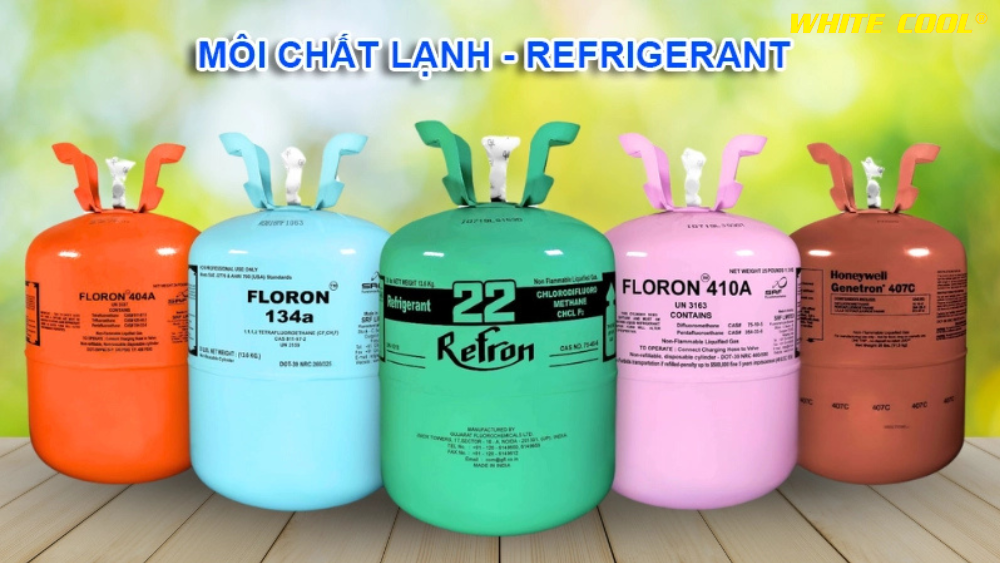
CHOOSING THE RIGHT REFRIGERANT IMPROVES LONG-TERM INVESTMENT VALUE
Selecting the appropriate refrigerant affects much more than cooling performance. It also has a direct impact on operating costs, maintenance requirements, and the long-term adaptability of the cooling system.
A chiller system designed specifically for the selected refrigerant can operate more efficiently, deliver stable performance, and optimize energy consumption. Furthermore, making the right decision during the initial investment stage helps businesses minimize future modification costs as environmental regulations continue to evolve.
For manufacturers involved in export markets or global supply chains, investing in cooling systems that align with environmentally friendly refrigerant trends also strengthens corporate reputation and helps meet the sustainability standards increasingly required by international partners.
ENERGY EFFICIENCY AND SUSTAINABILITY SHOULD GO HAND IN HAND
When selecting an industrial chiller, many businesses focus primarily on cooling capacity or initial investment costs. However, in today's industrial environment, energy efficiency and environmental sustainability should be evaluated together to maximize long-term returns.
A modern chiller system should not only utilize an appropriate refrigerant but also feature optimized heat exchangers, high-performance compressors, intelligent control systems, and the ability to operate efficiently under varying load conditions. Combining an optimized system design with the right refrigerant helps reduce electricity consumption, lower emissions, and extend equipment lifespan.
This has become an important trend among manufacturers in industries such as electronics, food processing, pharmaceuticals, plastics, and mechanical engineering when constructing or expanding production facilities.
DESIGNING CHILLER SYSTEMS THAT ARE READY FOR FUTURE REQUIREMENTS
As environmental regulations continue to evolve, businesses increasingly prefer chiller systems designed to meet long-term technical and regulatory requirements.
This approach involves not only selecting suitable refrigerants but also optimizing energy efficiency, simplifying maintenance, facilitating future upgrades, and ensuring compatibility with the actual operating conditions of each manufacturing facility. A properly engineered solution from the beginning enables businesses to adapt more effectively to future market changes while minimizing unexpected investment costs.
For new industrial projects, consulting experienced chiller designers and manufacturers can help companies select cooling solutions that support both production objectives and long-term sustainability strategies.
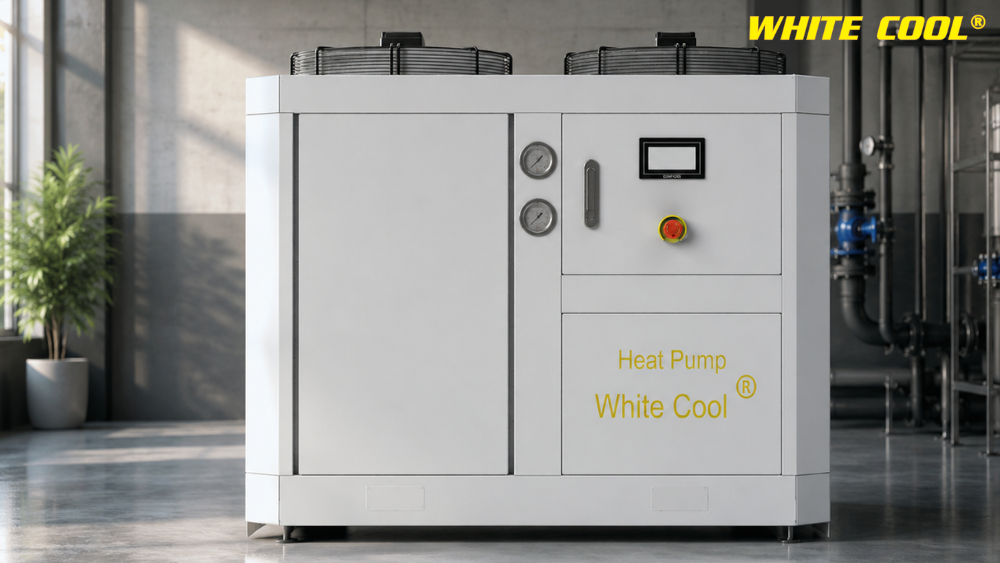
WHITE COOL – YOUR PARTNER FOR MODERN INDUSTRIAL CHILLER SOLUTIONS
White Cool provides custom-engineered industrial chiller solutions designed to meet the cooling requirements of a wide range of industries, including electronics, food processing, beverages, plastics, mechanical engineering, chemicals, pharmaceuticals, and many other manufacturing sectors.
Our engineering team continuously follows the latest developments in refrigeration technology to recommend solutions that meet customers' technical requirements while maximizing energy efficiency and supporting sustainable development goals. Every system is carefully engineered based on detailed cooling load calculations, optimized for performance, and thoroughly tested before delivery to ensure reliable operation, long-term stability, and cost-effective performance throughout its service life.
If your company is looking for an industrial chiller solution or requires expert consultation on selecting a system that aligns with the latest environmentally friendly refrigerant trends, contact White Cool today. Our experienced engineers are ready to recommend the most suitable solution for your project.
CONCLUSION
The growing adoption of environmentally friendly refrigerants is shaping the future of the refrigeration industry and has become one of the most important considerations when investing in industrial chiller systems. Beyond reducing environmental impact, selecting the right cooling solution helps businesses improve energy efficiency, reduce operating costs, and prepare for increasingly demanding environmental regulations.
As manufacturers continue pursuing green production and sustainable development, investing in a properly designed, energy-efficient chiller system that incorporates future-oriented technologies will provide a strong foundation for long-term success. With extensive expertise in designing, manufacturing, and implementing industrial chiller solutions, White Cool is committed to helping businesses build modern, reliable, and sustainable cooling systems that meet both today's operational needs and tomorrow's environmental expectations.