



OVERVIEW OF ODM CHILLERS AND THE NECESSITY OF STANDARDIZATION
An ODM chiller is a model in which a business hires a manufacturer to research, design, and produce the entire product according to its own brand identity, technical specifications, and target market. Compared with OEM—where manufacturing is based on an existing design—ODM takes a “full-package” approach, allowing partners to own a complete product without investing in in-house R&D.
In this model, standardization plays a critical role. Ensuring compliance with standards not only stabilizes product quality but also minimizes technical risks, protects design confidentiality, and optimizes production costs. Markets with strict requirements such as Japan and the EU impose specific standards related to environmental protection, performance, safety, and technical documentation, making standards the foundation of every ODM chiller project.
MANDATORY TECHNICAL STANDARDS IN ODM CHILLER MANUFACTURING
Performance and Energy Efficiency Standards
One of the mandatory standards in ODM chiller manufacturing is compliance with energy performance regulations. Chillers must meet the minimum COP/EER levels corresponding to their capacity range, depending on the market they are targeting.
Additionally, modern chillers must comply with standards related to inverter technology and variable-load operation to ensure energy savings and optimized performance. Countries such as Japan (JIS) and those in Europe (Eurovent), or markets requiring MEPS certification, strictly regulate performance ratings for each product category.
Electrical and Mechanical Safety Standards
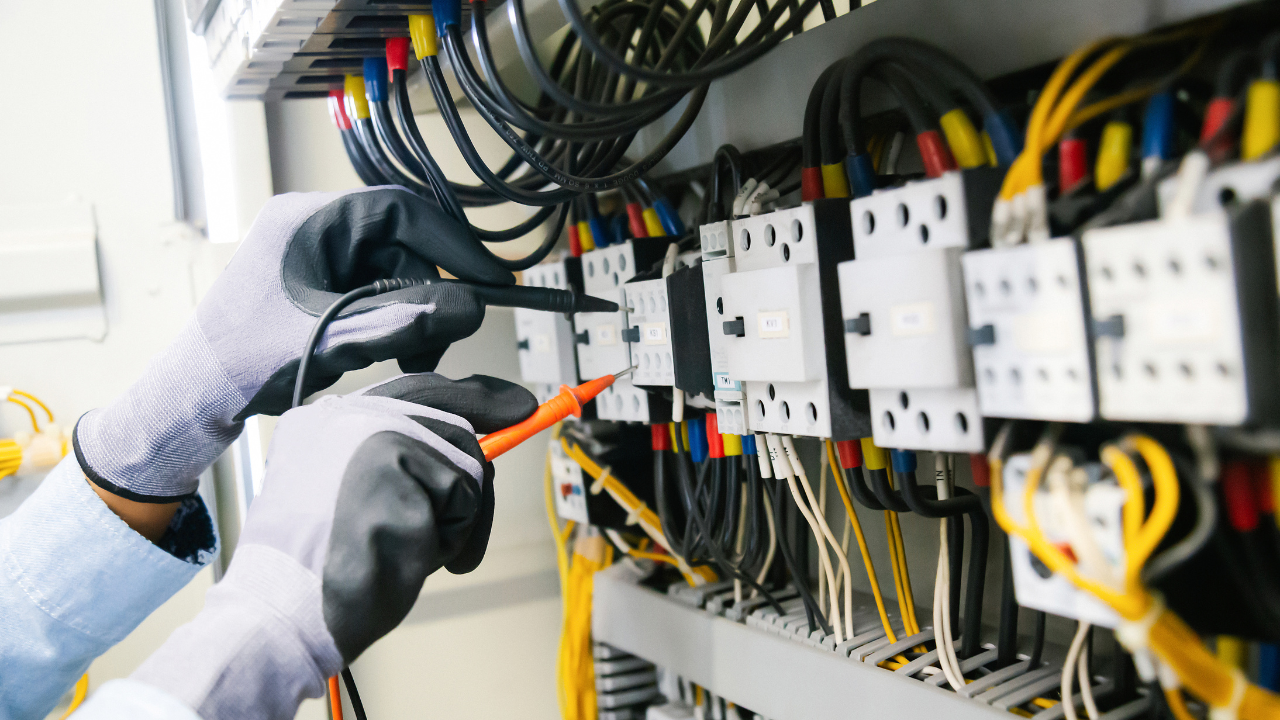
ODM chillers must comply with electrical safety standards under IEC, including leakage protection, motor insulation, and PCB testing.
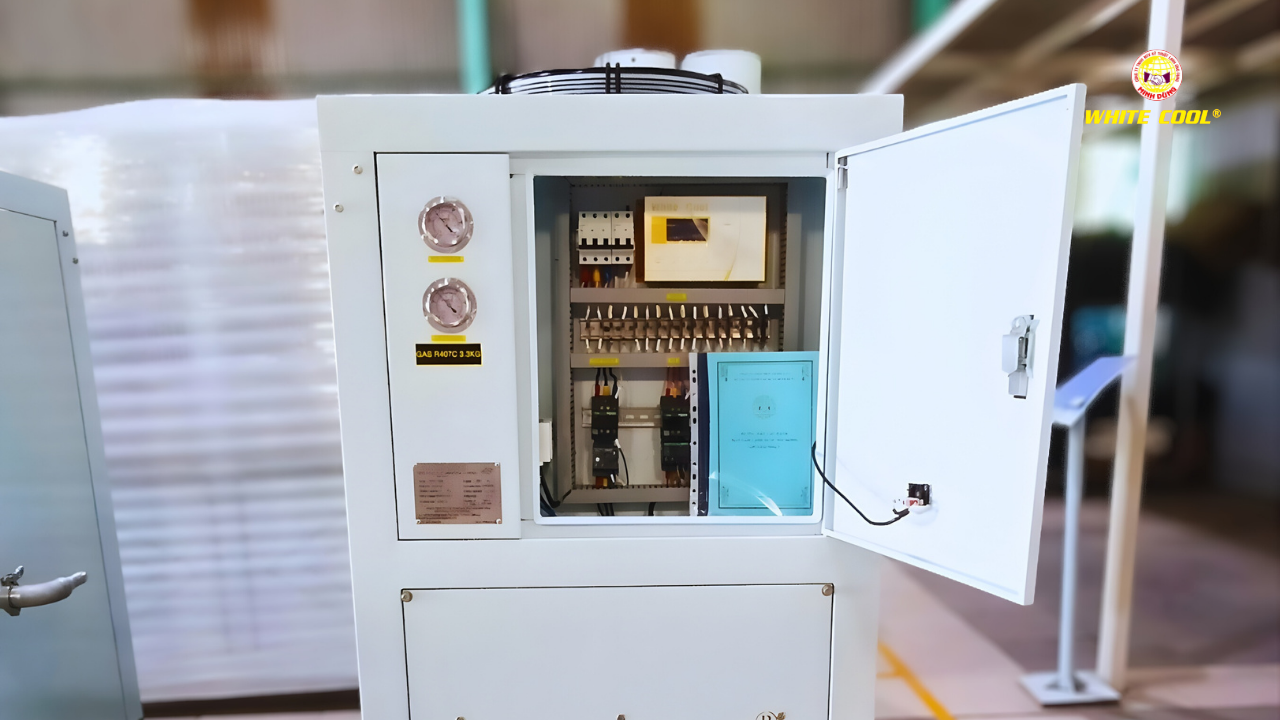
The chassis and enclosure must be structurally rigid, anti-vibration, corrosion-resistant, and capable of withstanding harsh operating environments. All pressure-bearing components—condensers, evaporators, valves, and piping—must meet pressure vessel standards to ensure long-term safety and stability.
Refrigerant and Environmental Standards
Refrigerants used in chillers must comply with environmental regulations such as low GWP, zero ozone depletion, and conformity with F-Gas, RoHS, or REACH requirements.
Common refrigerants—R32, R410A, R407C, R134a, R513A, and R1234yf—are selected based on market standards and CO₂-equivalent emissions requirements. Additionally, refrigerant charging and leak testing procedures must follow EN378 or ISO 5149 to ensure safety and prevent refrigerant loss.
Operational Reliability, Durability, and Noise Standards
ODM chillers must undergo comprehensive testing in controlled test rooms at 100%, 75%, and 50% load to ensure operational stability. Noise levels must meet required dB(A) thresholds for factories with strict noise regulations.
Many export projects require chillers to perform reliably in high ambient conditions—45–55°C, high humidity, or coastal environments. Core components such as compressors, heat exchangers, pumps, and fans must meet durability standards set by global OEM suppliers.
Inspection, Traceability, and Technical Documentation Standards
Technical documentation is crucial in meeting ODM standards. All mechanical 3D drawings, electrical diagrams, and piping layouts must be standardized. Quality control processes such as IQC, PQC, and OQC are mandatory to ensure stable quality from input materials to final output.
Each product must include a test record, QR traceability code, and CO/CQ documentation for export—especially important in markets that strictly control material origins.
QUALITY ASSURANCE PROCESS IN ODM CHILLER MANUFACTURING
A high-standard ODM chiller factory must operate under a strict process that includes:
- Engineering design, simulation, testing, and mass production based on validated technical data.
- Component quality control according to global standards (compressors, heat exchangers, drivers, PCBs, etc.).
- Leak test, pressure test, and burn-in test (24–72 hours) to eliminate potential failures.
- FMEA application during product development to forecast failures and optimize design early.
These processes ensure stable chiller performance and compatibility with demanding industrial applications.
MINH DUNG ODM CHILLER MANUFACTURING — A SOLUTION BUILT ON INTERNATIONAL STANDARDS
R&D Capability: Full ODM Design Service
Minh Dung provides full-package ODM service: configuration design, cooling capacity optimization, compressor selection, heat-exchanger engineering, and complete customization of product branding according to the partner’s identity.
Each chiller is simulated using professional thermal analysis software to ensure high efficiency and compatibility with real-world industrial applications.
Testing System: Export-Standard Quality Verification
The factory is equipped with load test chambers, electrical and pressure testing systems, gas leak detection equipment, and QC processes compliant with EN378, IEC, and RoHS.
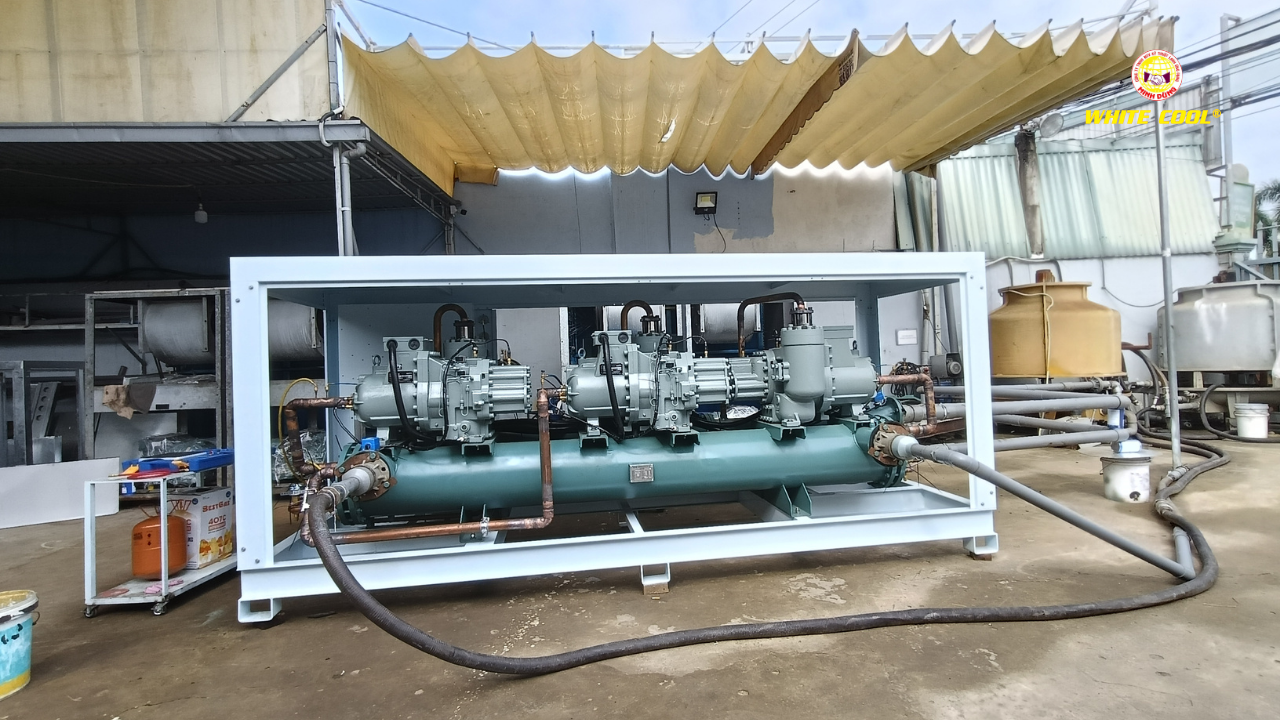
Minh Dung can manufacture according to the specific standards required by Japanese or EU markets—ideal for partners distributing or exporting chillers.
Key Advantages When Partnering with Minh Dung
- Global-standard component supply chain
- 100% QC before shipment
- Fast product development, reducing R&D investment for partners
- Strict design confidentiality and brand support
CONCLUSION
Mandatory standards in ODM chiller manufacturing are the foundation that determines product quality, durability, and competitive advantage in global markets. A factory with strong standardization capability helps businesses reduce risks, accelerate product launches, and optimize long-term costs.
With deep experience in manufacturing and R&D, Minh Dung is a trusted ODM partner for businesses seeking to develop proprietary chiller lines.
Contact Minh Dung’s engineering team today for consultation, product development support, and custom ODM chiller quotations.