



SYSTEM DESIGN - THE FOUNDATION DETERMINING DURABILITY
The lifespan of a chiller system begins in the design phase. When the system is accurately calculated according to the actual needs of the plant, the equipment will operate within the appropriate load range, avoiding prolonged overloading or underloading.
Conversely, if the design is unsuitable, the chiller may have to operate continuously at high load levels or operate inefficiently. This not only reduces efficiency but also increases stress on critical components such as the compressor and heat exchanger, thereby shortening the lifespan of the entire system.
An optimal design not only ensures capacity but also balances operational efficiency and equipment durability, creating a foundation for stable system operation for many years.
OPERATING CONDITIONS DIRECTLY AFFECT LIFESPAN
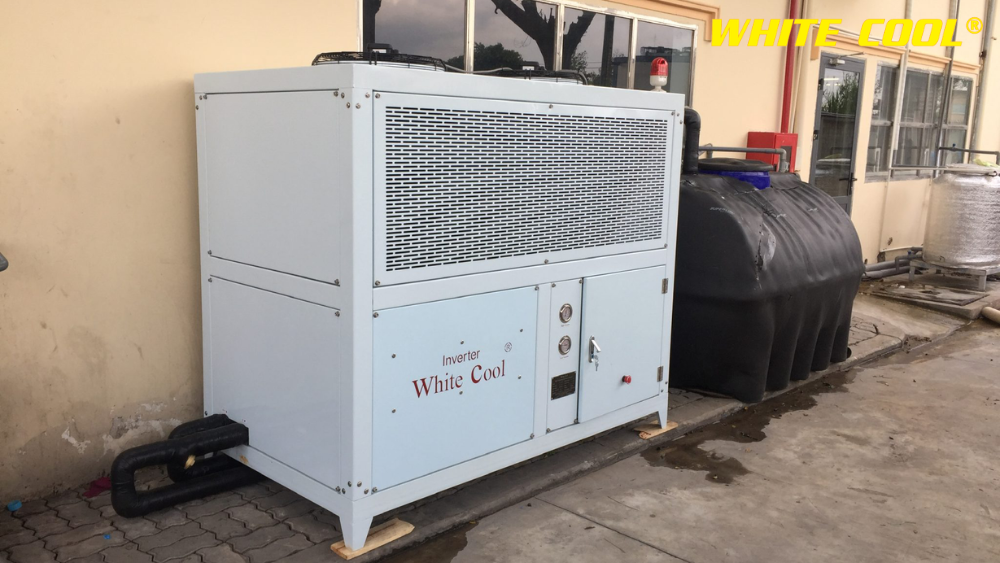
After installation, the system's operating method will determine whether the chiller maintains its durability. A system that is frequently overloaded, operates continuously without proper rest periods, or operates with incorrect parameters will quickly degrade.
In addition, the operating environment is also a crucial factor. High ambient temperatures, dust, or inadequate water conditions can all reduce heat exchange efficiency and increase equipment wear.
Maintaining stable operating parameters consistent with the original design will help the system operate more efficiently and minimize the risk of failure during use.
REGULAR MAINTENANCE - AN ESSENTIAL FACTOR
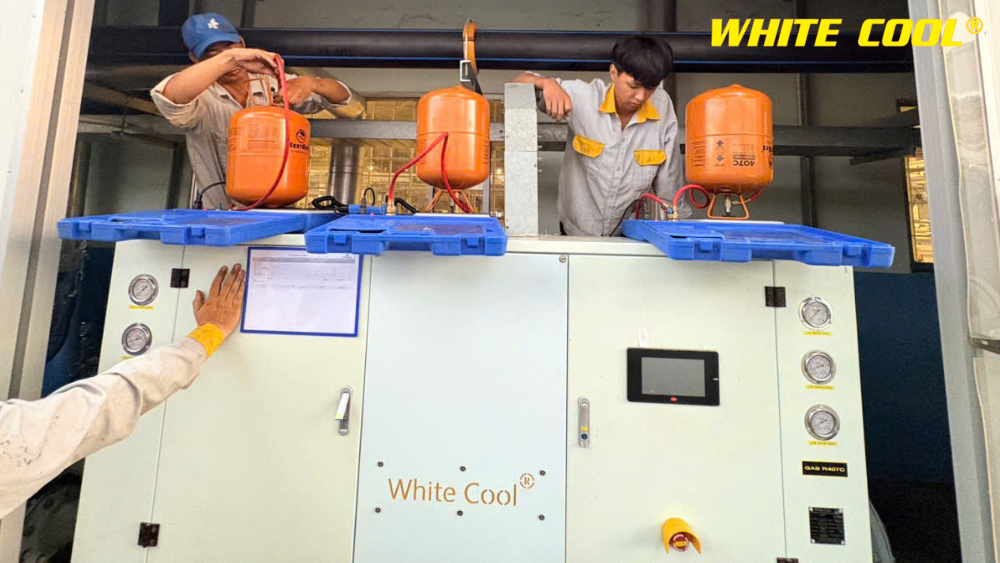
One of the most common reasons for rapid chiller degradation is a lack of or improper maintenance. During operation, factors such as scale buildup, oil degradation, or component wear are unavoidable.
If not inspected and addressed promptly, these minor issues will accumulate and become the cause of larger problems. Conversely, regular maintenance helps detect abnormalities early, maintain stable performance, and extend equipment lifespan.
Maintenance is not just about repairing when problems occur, but about proactively keeping the system in optimal working condition.
WATER QUALITY AND AUXILIARY SYSTEMS
In chiller systems, water plays a crucial role in heat transfer, so water quality directly impacts operational efficiency and equipment durability. Substandard water can cause scaling in pipes and heat exchangers, reducing cooling capacity and increasing system pressure.
Furthermore, auxiliary equipment such as pumps, cooling towers, and piping systems must operate in sync. If any of these components malfunction, the entire chiller system will be affected, reducing overall efficiency and lifespan.
Controlling water quality and maintaining a stable auxiliary system are essential factors in ensuring the chiller's long-term reliability.
APPLICATION OF TECHNOLOGY FOR MONITORING AND OPTIMIZING THE SYSTEM
The development of technology has made chiller system management easier and more efficient. Intelligent monitoring solutions allow for continuous tracking of operating parameters such as temperature, pressure, and system performance.
As a result, businesses can detect abnormalities early and make timely adjustments before serious incidents occur. Simultaneously, optimizing operations based on real-time data helps reduce energy consumption and extend equipment lifespan. Investing in technology not only brings performance benefits but also provides a long-term solution for protecting chiller systems.
CONCLUSION
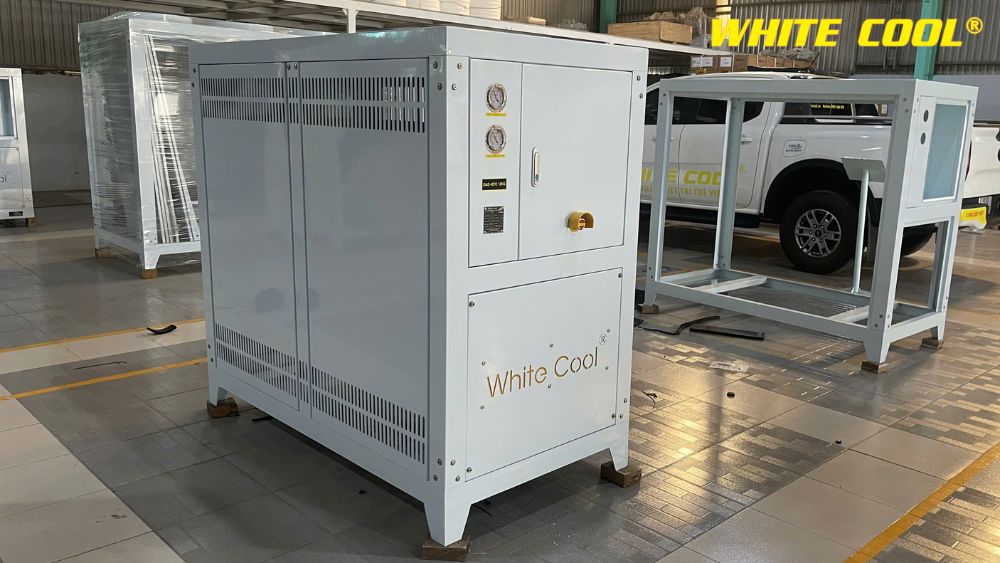
The lifespan of a chiller system does not depend on a single factor but is the result of a combination of design, operation, maintenance, and environmental conditions. When all these factors are well controlled, the system not only operates stably but also achieves high economic efficiency throughout its lifecycle.
For businesses, investing wisely from the start and maintaining the system scientifically will help minimize risks, save costs, and ensure uninterrupted production.
If you are looking for solutions to improve the lifespan and performance of your chiller system, White Cool is ready to partner with you with specialized design, optimization, and maintenance services, helping your system operate reliably and efficiently under all conditions, contact White Cool now.