



THE INEVITABLE TREND OF AUTOMATION IN PLASTIC MANUFACTURING
Automation in plastic manufacturing involves applying intelligent control technologies such as PLC, SCADA, temperature sensors, robotic arms, and IoT monitoring systems to minimize human intervention.
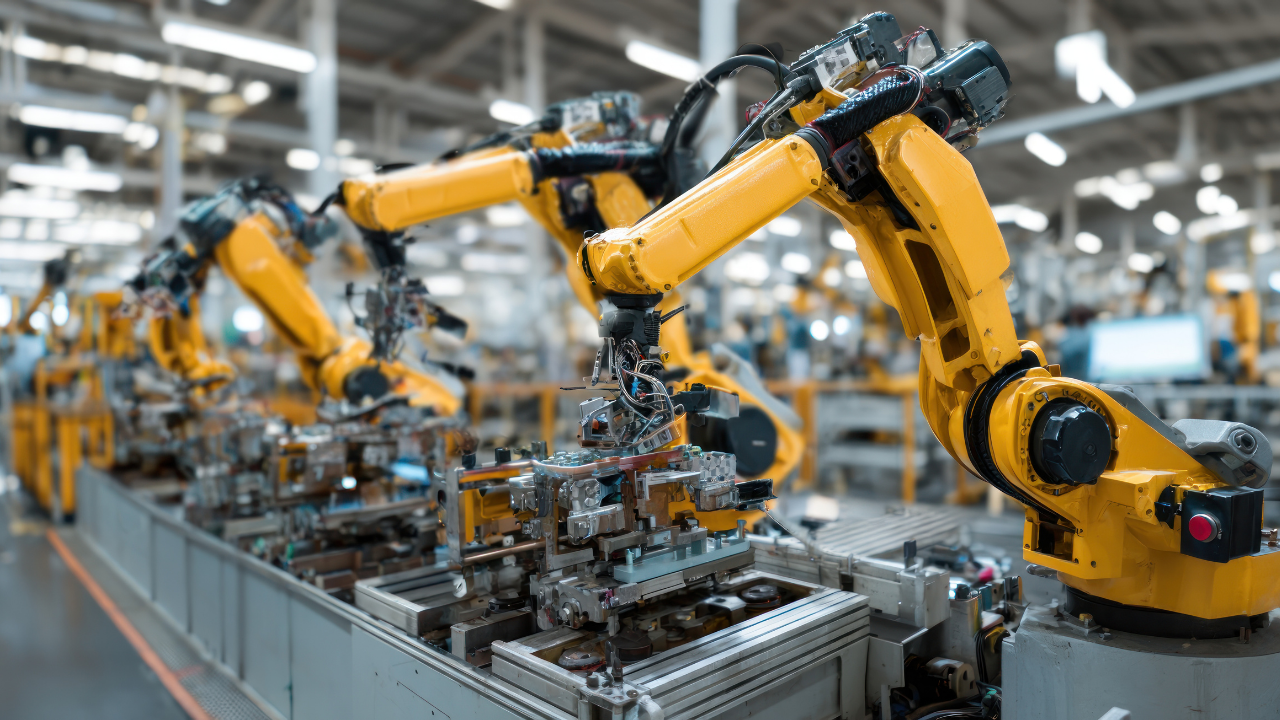
As a result, manufacturers can:
- Increase productivity and cycle precision;
- Reduce product defects caused by manual errors;
- Ensure consistent product quality that meets export standards.
However, in an automated production line, all auxiliary systems—from air and power supply to cooling—must operate in sync and remain stable. Even a small fluctuation in mold or hydraulic oil temperature can halt the entire line, causing major losses in both time and materials.
COOLING SYSTEMS – A KEY FACTOR IMPACTING AUTOMATION EFFICIENCY
In plastic manufacturing, chillers are responsible for cooling molds, hydraulic oil, and extruder screws. When temperatures exceed the allowed range, plastic materials fail to form accurately, resulting in defects such as warping, shrinkage, or air bubbles.
In automated lines, this issue becomes even more critical: robotic arms operate on precise cycles down to the second. If a mold hasn’t reached the correct temperature for the next injection, the robot can go out of sync and halt the process. Therefore, the chiller is not merely an auxiliary device—it is the “heart” that sustains the stability of the entire automation system.
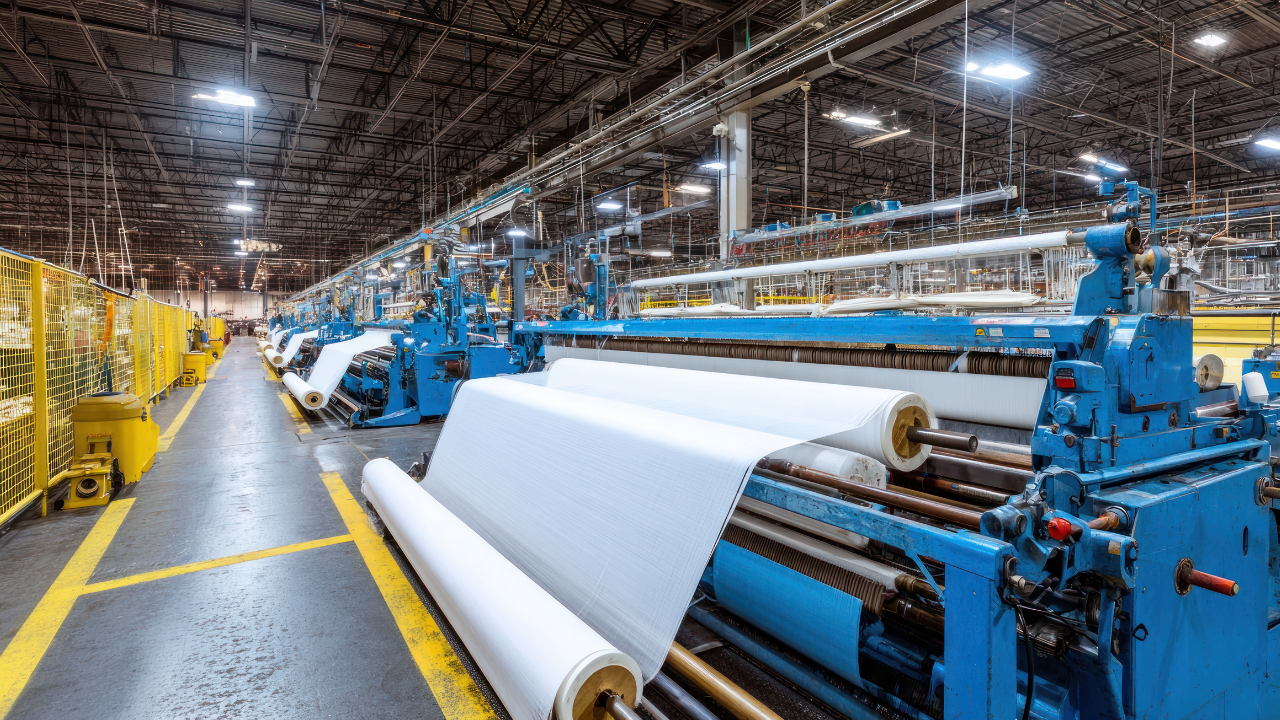
An optimized cooling system helps to:
- Maintain consistent mold temperature for uniform product formation;
- Shorten molding cycle time;
- Reduce product rejection rates and improve operational efficiency;
- Save energy and lower maintenance costs.
KEY CRITERIA FOR SELECTING A COOLING SYSTEM FOR AUTOMATED PLASTIC PRODUCTION
To ensure compatibility with automation in plastic manufacturing, businesses should consider the following criteria when selecting a chiller:
- High energy efficiency (COP > 4.0): Reduces power consumption during 24/7 continuous operation.
- DC Inverter technology: Variable-speed compressor automatically adjusts capacity to match real cooling loads, minimizing temperature fluctuations.
- Precise temperature control (±0.5°C): Maintains optimal mold temperature for each plastic type.
- Communication protocol integration (Modbus, RS485, PLC): Allows the chiller to connect and synchronize with central control systems.
- Durable design for harsh factory environments: Minimizes unplanned downtime.
A high-performance chiller meeting these criteria ensures stable automated operation, reduces downtime, and extends equipment lifespan.
OPTIMIZED CHILLER SOLUTIONS FOR AUTOMATED PLASTIC PRODUCTION
Modern water chillers designed for the plastic industry are fully compatible with automated production systems, offering precise temperature control and energy efficiency. Key advantages include:
- Inverter energy-saving technology: Reduces energy consumption by up to 30% compared to conventional chillers.
- Smart control systems: Allow remote monitoring and management through centralized control software, with automatic data logging and fault alerts.
- Flexible design: Easily customized in capacity, flow rate, and cooling type (water-cooled or air-cooled) to meet specific factory needs.
- Durable, corrosion-resistant materials: Ensure stable operation in high-temperature, high-humidity environments.
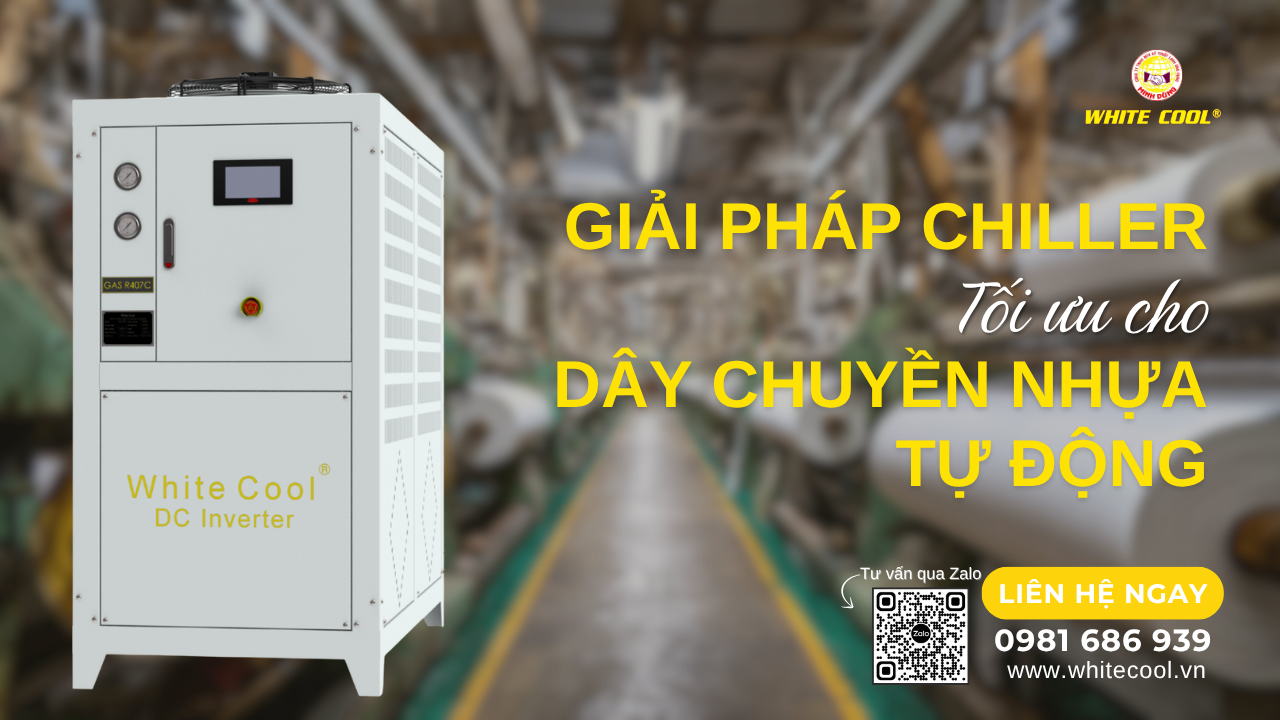
Thanks to these optimized configurations, modern chiller systems help improve line productivity, minimize maintenance time and operational costs, and support businesses in achieving smart and sustainable production goals.
REAL-WORLD APPLICATIONS IN AUTOMATED PLASTIC FACTORIES
In practice, chillers are applied in various stages across automated plastic manufacturing facilities, such as:
- Mold cooling to ensure accurate product shaping;
- Hydraulic oil cooling for injection molding machines;
- Screw or hopper cooling in extrusion processes;
- Temperature stabilization for robotic arms and pneumatic systems.
When temperature factors are precisely controlled, production cycles are shortened, productivity increases significantly, and defect rates drop sharply—perfectly aligning with the core objectives of automation in plastic manufacturing.
CONCLUSION
In the Industry 5.0 era, automation in plastic manufacturing is not just a trend but an essential requirement to enhance competitiveness. Alongside investments in robotics and control software, the cooling system forms the foundation that ensures every operation runs smoothly and synchronously.
If your business is seeking an efficient, energy-saving industrial cooling solution tailored to automated production lines, contact our technical team for consultation and custom-designed chiller systems that precisely match your factory’s production needs.